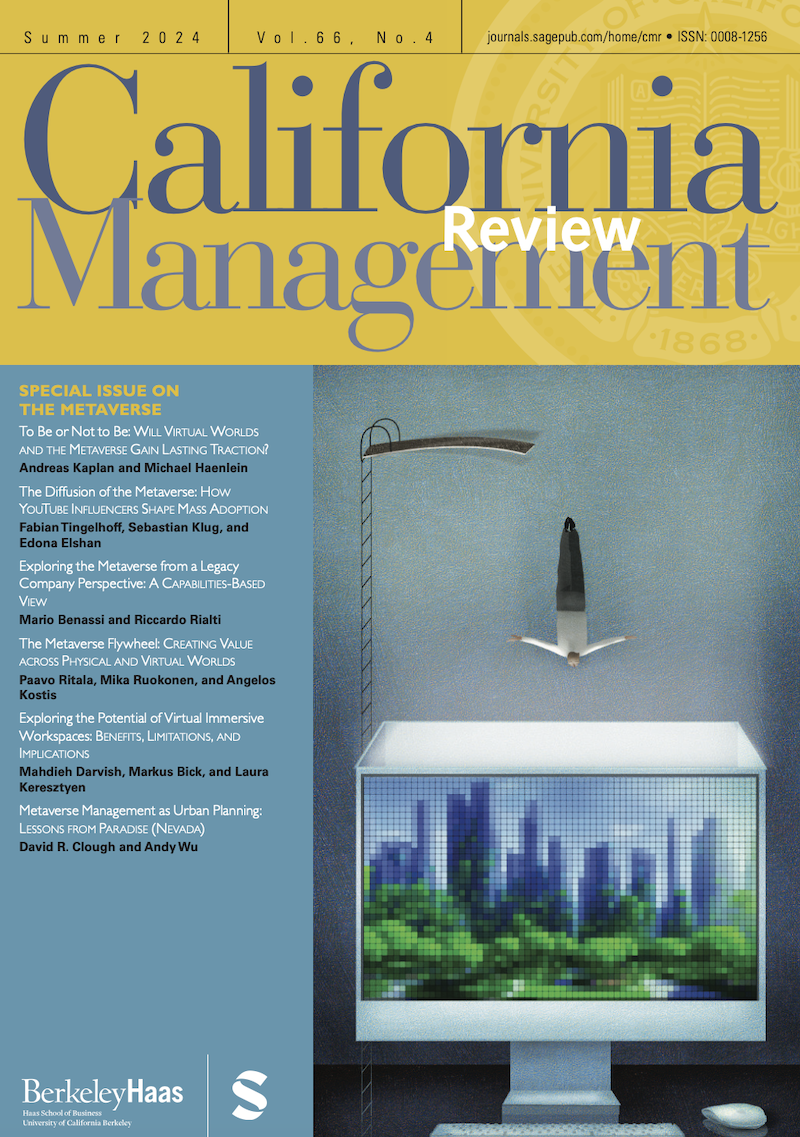
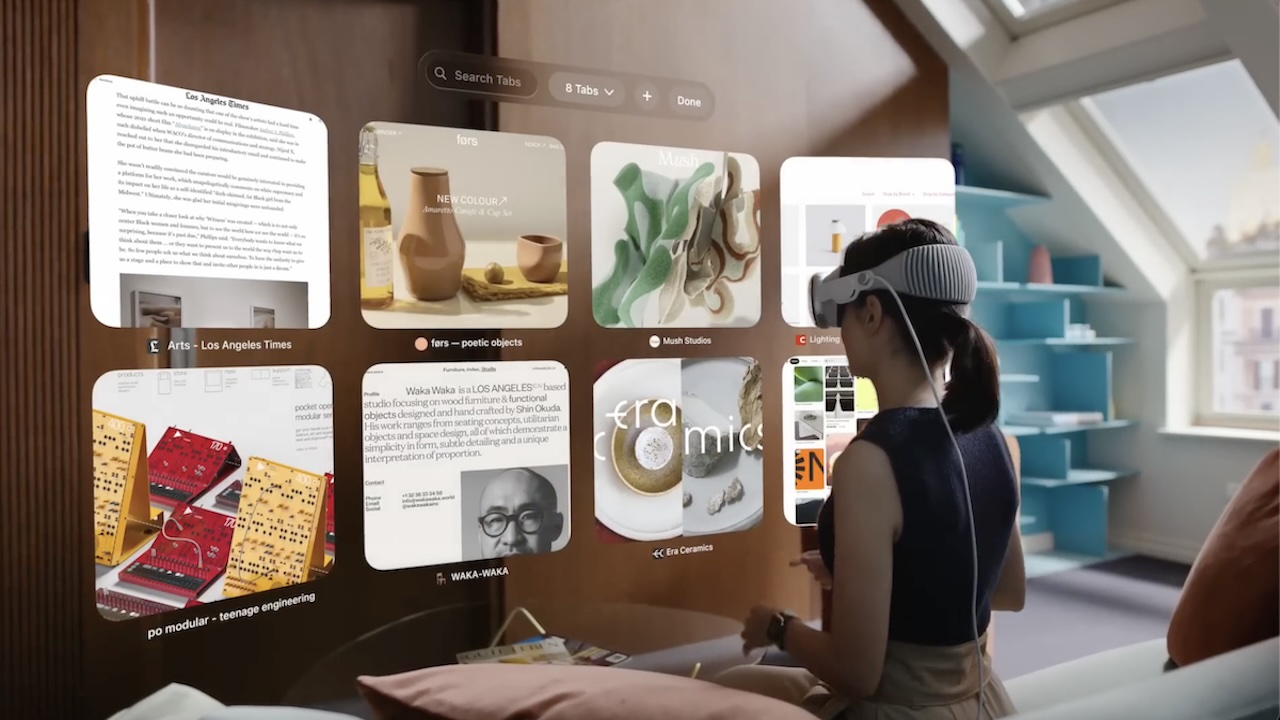
Since the 1970s, telecommuting has generated significant interest among academics and practitioners alike. However, the topic of flexible working arrangements has become more relevant lately, particularly due to the COVID-19 pandemic. As digital technologies continuously advance, immersive workplaces facilitated by technologies such as virtual reality (VR) become more appealing. This article examines the phenomenon of virtual immersive workspaces and their impacts on organizations. It provides insights into the emerging trends driving subsequent immersive technologies that not only foster competitive advantages in the Web3 era, but also shed light on the challenges that organizations face in this context. The findings emphasize the key advantages and limitations of implementing VR in the workplace as well as the importance of purposefully designing a set of tools for remote workers.